
Before moving to Canada, I had no idea what Remembrance Day was.
Having grown up in Mexico, geographically closer to the United States, I knew Americans had something called Veterans Day, but I didn't know when it was or exactly what it commemorated.
Mexico also participated in World War II, although its involvement was much smaller than Canada's. After entering the war in 1942, Mexico sent the famous Escuadrón 201, also known as the Aztec Eagles, to fight alongside Allied forces in the Pacific. Although their service is remembered in Mexico, we don't have a national holiday quite like Canada's Remembrance Day.
I remember my first November in Canada, back in 2012, noticing people wearing little red flowers on their jackets and having absolutely no idea why.
After asking around (back in the day, when we still asked people questions instead of immediately opening ChatGPT!), I learned about Remembrance Day.
Every November 11, Canadians honour the men and women who served and sacrificed their lives in wars, conflicts and peacekeeping missions. The date marks the armistice that ended the fighting in World War I, which took effect at 11 a.m. on November 11, 1918. That's why Canadians observe two minutes of silence at the eleventh hour of the eleventh day of the eleventh month.
Why the Red Poppy?
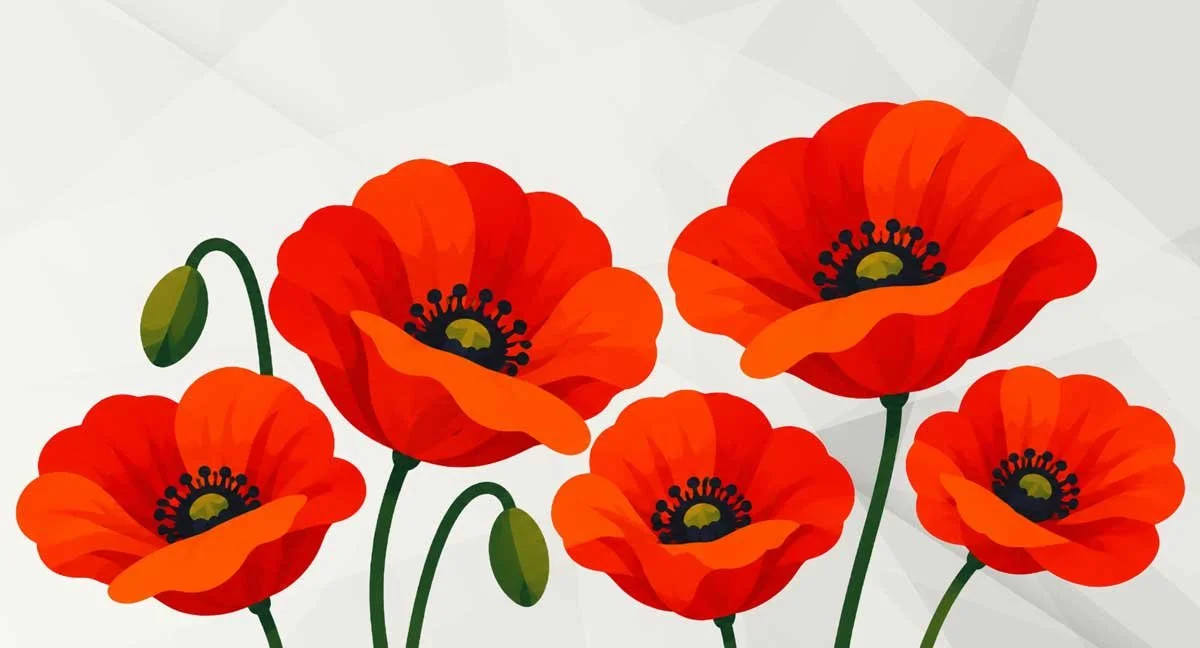
The poppy became a symbol of remembrance after World War I, when these bright red flowers grew across the battlefields of France and Belgium.
There is a famous poem called In Flanders Fields, written by Canadian physician and soldier John McCrae, that talks about them:
In Flanders fields the poppies blow
Between the crosses, row on row.
The poem helped inspire the tradition of wearing a red poppy to honour those who died in war.
Something that surprised my family back in Mexico was learning that poppies can actually be grown in Canadian gardens. I remember telling my parents, who were shocked because in Mexico, growing opium poppies is prohibited under federal law. Of course, I later learned that the red remembrance poppy is a different species. Thank you, Google!
Understanding the Meaning Behind the Tradition
At first, I thought Remembrance Day was a beautiful tradition. But it wasn't until I settled in Canada, started meeting older Canadians and hearing their stories that I began to understand how deeply the World Wars had affected Canadian families.
During World War II alone, more than 1.1 million Canadians served in the armed forces, at a time when Canada's population was only around 11 million people. That's approximately 10% of the entire population!
The lives of young men and women were shaped by war. Many had to put their dreams and plans on hold to serve their country, even if they weren't involved in active combat. Families were separated, young men were sent overseas, and we have to remember that back then, there was no way of getting news quickly. As a mother, I can only imagine sending my child away and not knowing if he was safe.
That's when the holiday really took on a deeper meaning for me, and I began to understand why Remembrance Day means so much to so many Canadian families. And it's not just about the past. Even today, military personnel are deployed on missions that can keep them away from their families for months at a time.
Canada isn't alone in this tradition. Remembrance Day is also observed in countries such as the United Kingdom, Australia and New Zealand.
Taking Part in Remembrance Day
One of the most meaningful ways to experience Remembrance Day is to attend a local ceremony.
Across Canada, communities gather at cenotaphs and memorials for wreath-laying ceremonies and moments of silence. In some places, there are also parades and military flypasts.
Another simple way to participate is by wearing a poppy and making a donation to the Royal Canadian Legion. During this time of year, the Legion runs its Poppy Campaign, which supports veterans and their families, helping with essential needs such as housing, medical equipment, emergency assistance and other services.
For those of us who have made Canada our home, I believe it's important not only to learn about holidays and traditions, but also to understand what they mean to the people who observe them.
For some, Remembrance Day is deeply personal. Taking the time to understand its meaning is a way to incorporate these traditions into our own lives while discovering the history, beauty and richness of the community we are now part of.
Lest we forget.
About the Author
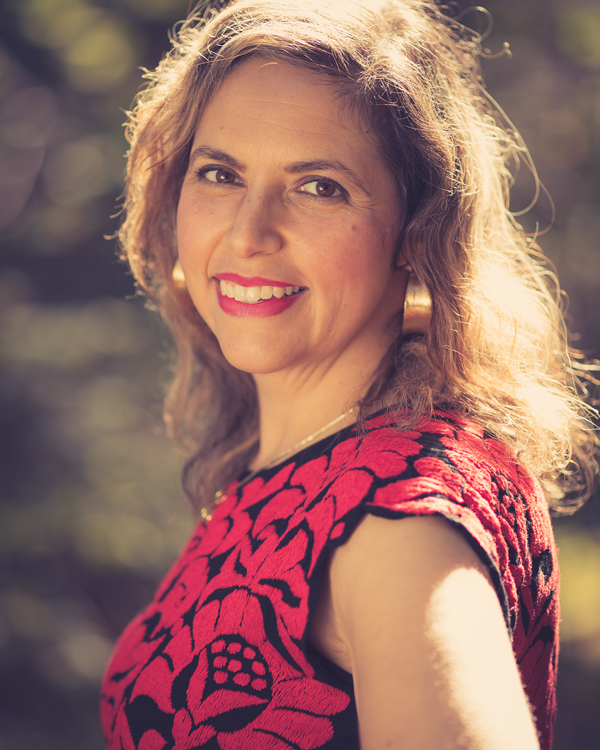
Ana Miller is a Mexican-Canadian brand and visual designer, cultural storyteller, and founder of SOMOS. Originally from Mexico and now based on Vancouver Island, she uses her creative background to explore and celebrate Latin American culture, traditions, identity, and belonging.
Sources & Further Reading
1. Mexico in World War II – Secretaría de la Defensa Nacional
https://www.gob.mx/defensa/documentos/mexico-en-la-ii-guerra-mundial
2. In Flanders Fields – Veterans Affairs Canada
https://veterans.gc.ca/en/remembrance/get-involved/ways-remember/flanders-fields
3. Second World War – Veterans Affairs Canada
https://www.veterans.gc.ca/en/remembrance/military-history/second-world-war
4. The Poppy Campaign – Royal Canadian Legion
https://www.legion.ca/remembrance/the-poppy-campaign